One of Earth's most extreme environments - the hottest inhabited place on Earth, 125m below sea level. Home to active Erta Ale volcano with permanent lava lake, colorful sulfur springs, and salt flats.
Best: Oct-Mar
8 tours
Erta Ale lava lakeDallol sulfur springsSalt flats+2
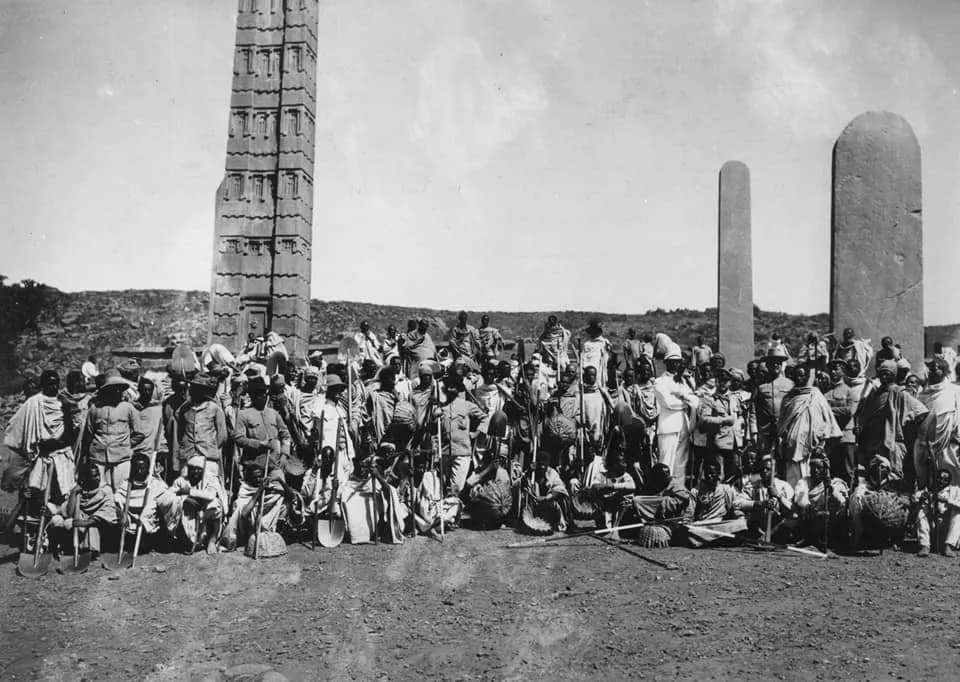
Ancient capital of the Aksumite Empire, home to towering obelisks, ruins of the Queen of Sheba's Palace, and the purported resting place of the Ark of the Covenant. Ethiopia's most sacred historical city.
Best: Oct-Mar
8 tours
Ancient stelae/obelisksQueen of Sheba's PalaceSt. Mary of Zion Church+2
Ethiopia's vibrant capital city at 2,400m, diplomatic capital of Africa. Home to the National Museum (Lucy fossil), bustling Merkato market, Holy Trinity Cathedral, and diverse cultural institutions.
Best: Oct-Mar
8 tours
National Museum (Lucy)Merkato marketHoly Trinity Cathedral+2
UNESCO World Heritage site featuring remarkable terraced agriculture and fortified hilltop villages. Known for wooden Waka statues honoring heroes and a unique cultural landscape preserved for over 400 years.
Best: Oct-Mar
8 tours
Terraced agricultureWalled villagesWaka memorial statues+2
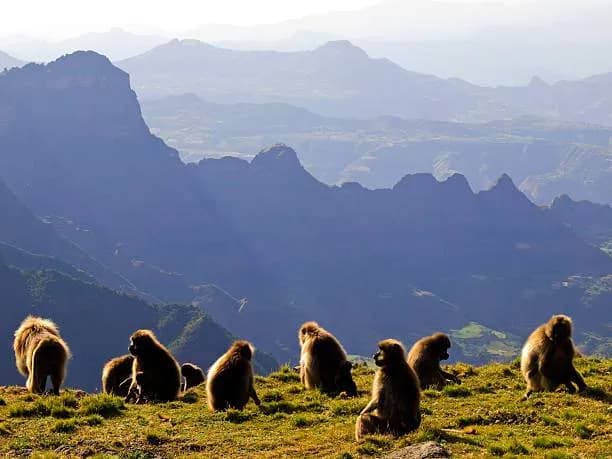
UNESCO World Heritage site known as the 'Roof of Africa' with dramatic escarpments, deep valleys, and unique wildlife including Gelada baboons and Ethiopian wolves. Africa's most spectacular mountain scenery.
UNESCO mixed heritage site combining sacred forests, traditional agriculture, and cultural practices. Features ancient megaliths, terraced farming, and shade-grown coffee traditions spanning centuries.
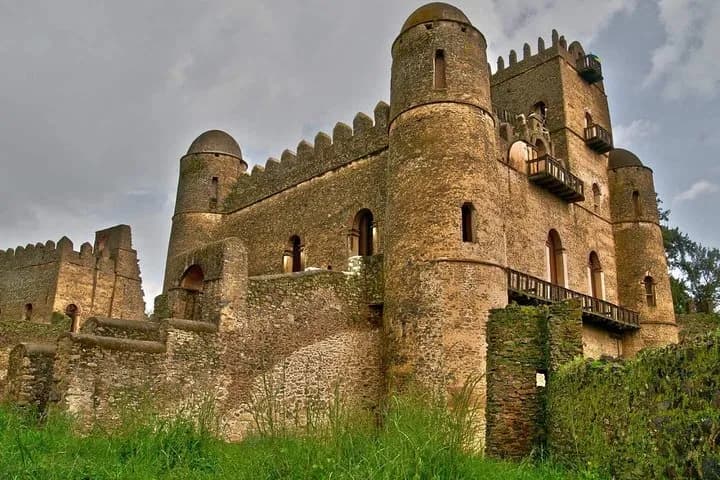
Ethiopia's 17th-century imperial capital, known as the 'Camelot of Africa.' Features the impressive Royal Enclosure (Fasil Ghebbi) with several castles, plus beautiful churches with stunning ceiling paintings.
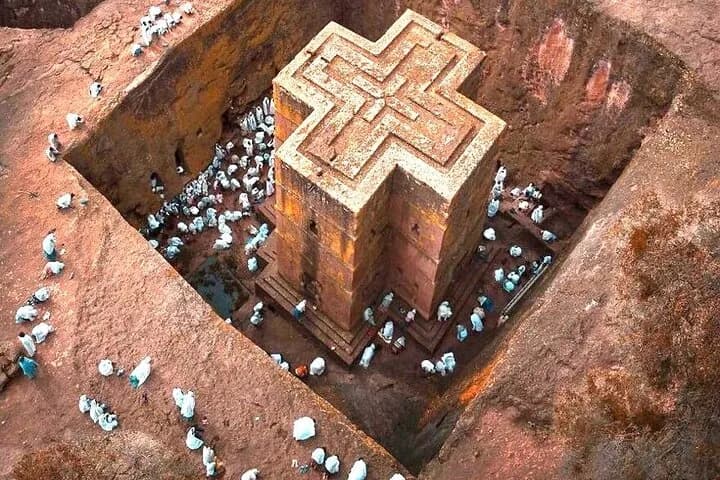
Home to 11 remarkable rock-hewn churches carved from solid volcanic rock in the 12th century. Often called the 'Eighth Wonder of the World,' this UNESCO site remains an active pilgrimage center where ancient Orthodox traditions continue today.
Home to 11 remarkable rock-hewn churches carved from solid volcanic rock in the 12th century. Often called the 'Eighth Wonder of the World,' this UNESCO site remains an active pilgrimage center where ancient Orthodox traditions continue today.